
Iceland – faith in the shadow of ice, fireworks and an immense longing for Poland

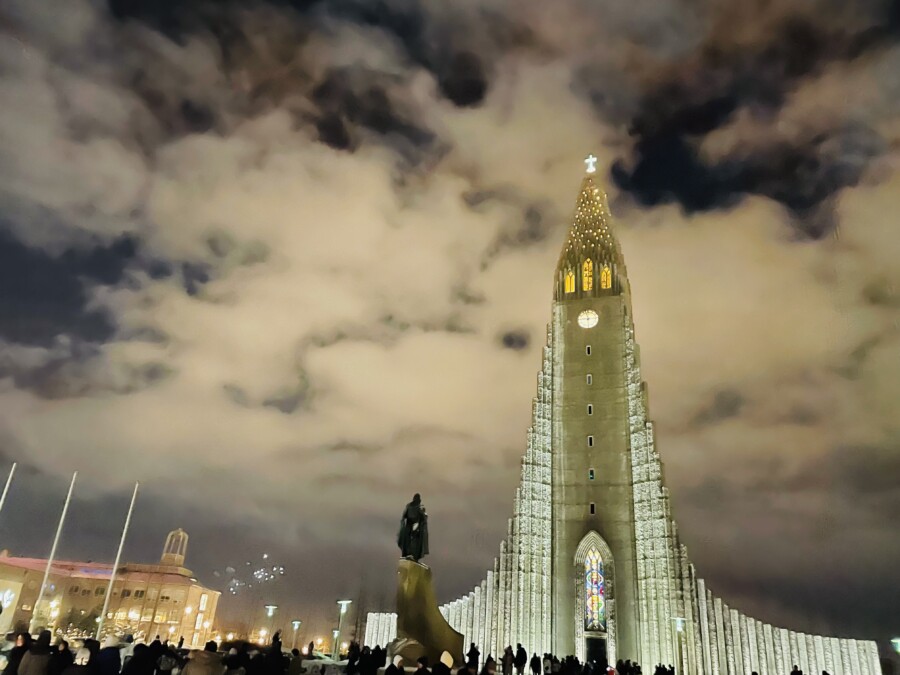
Reykjavík – a church in the centre of the city, but…
is it also at the centre of Icelandic life?
Reykjavík – the capital of Iceland.
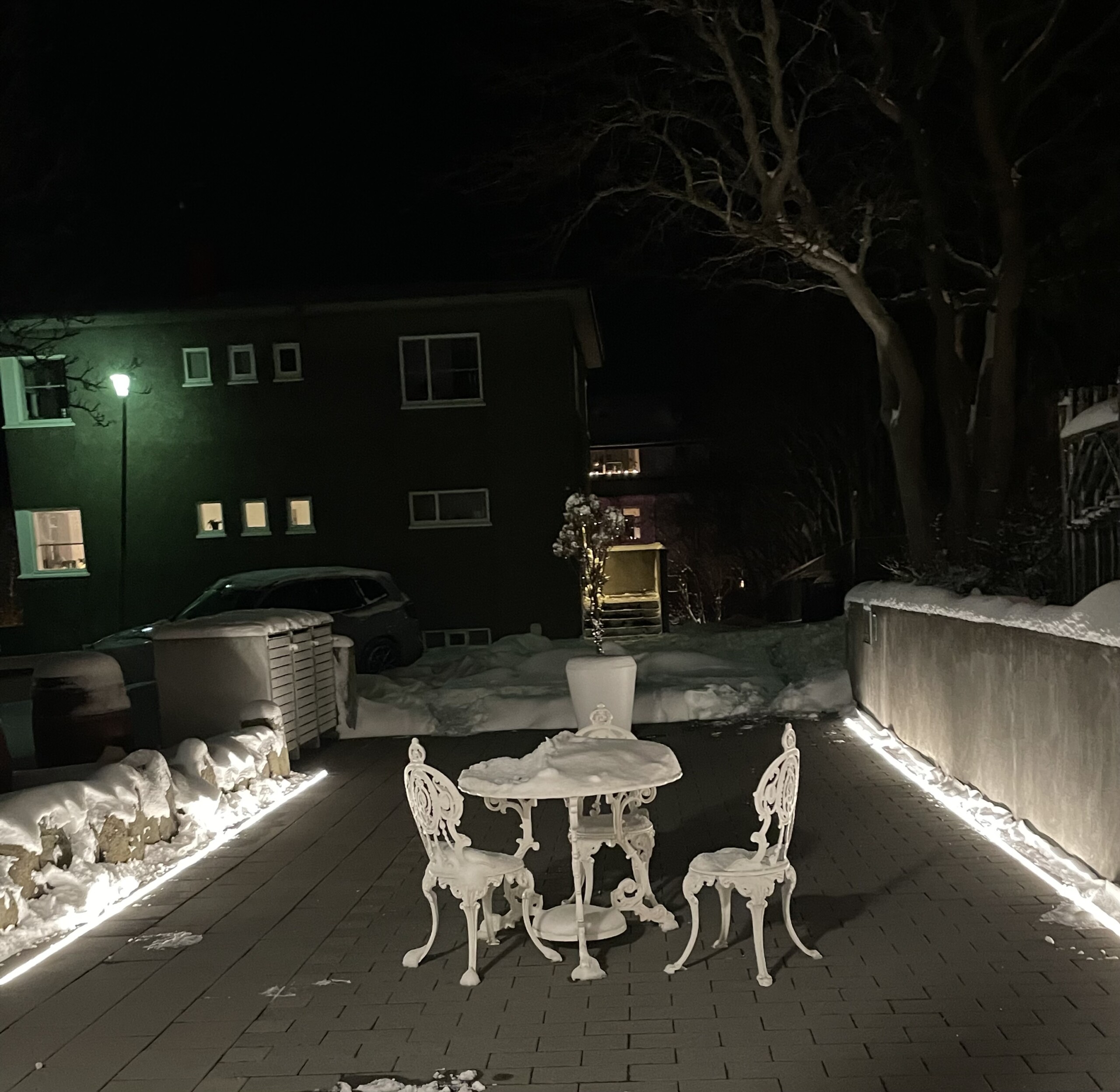
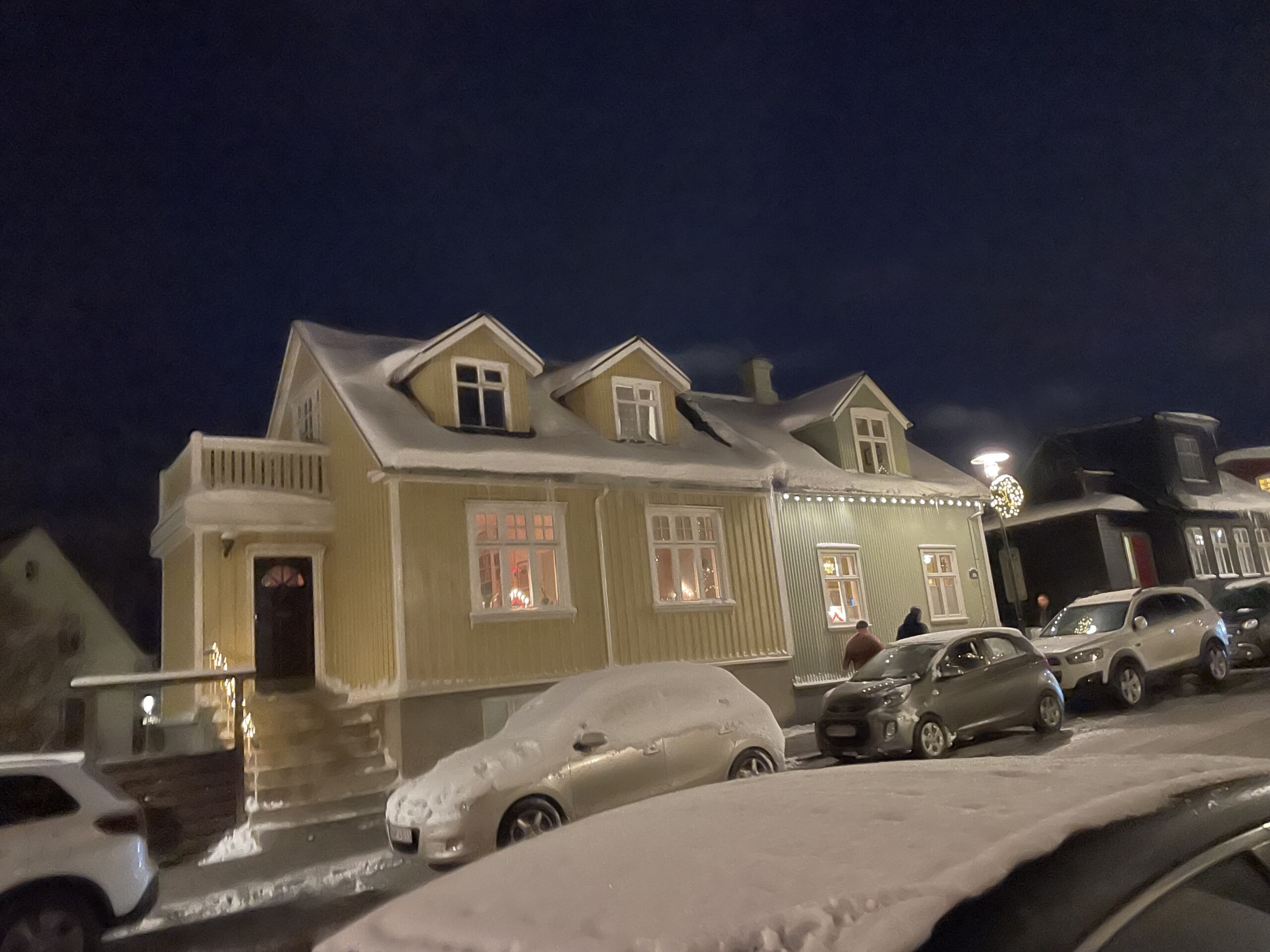
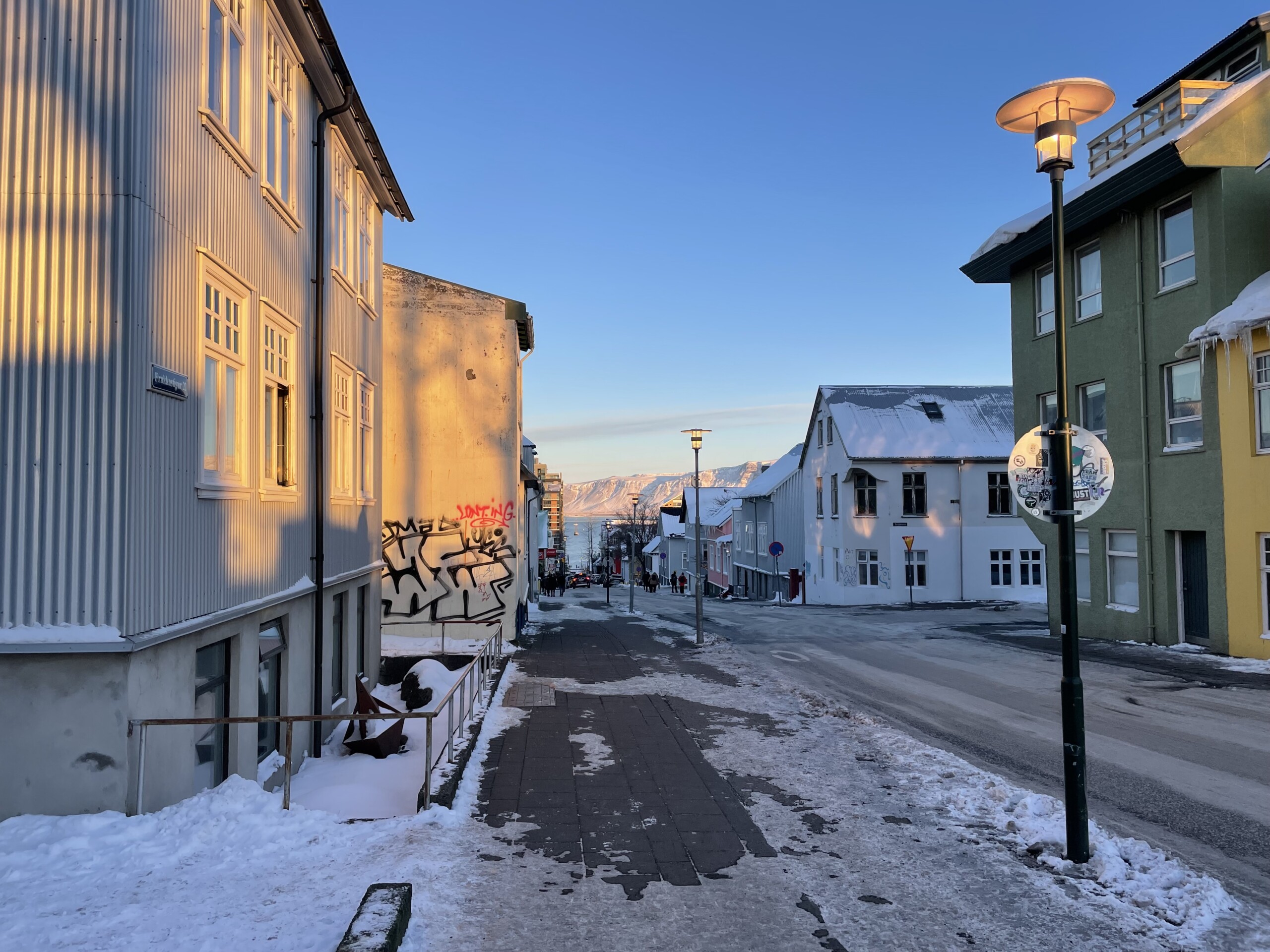
Cold. Snow like the snow of my childhood, thigh-deep. Beautiful, fluffy, new every day.
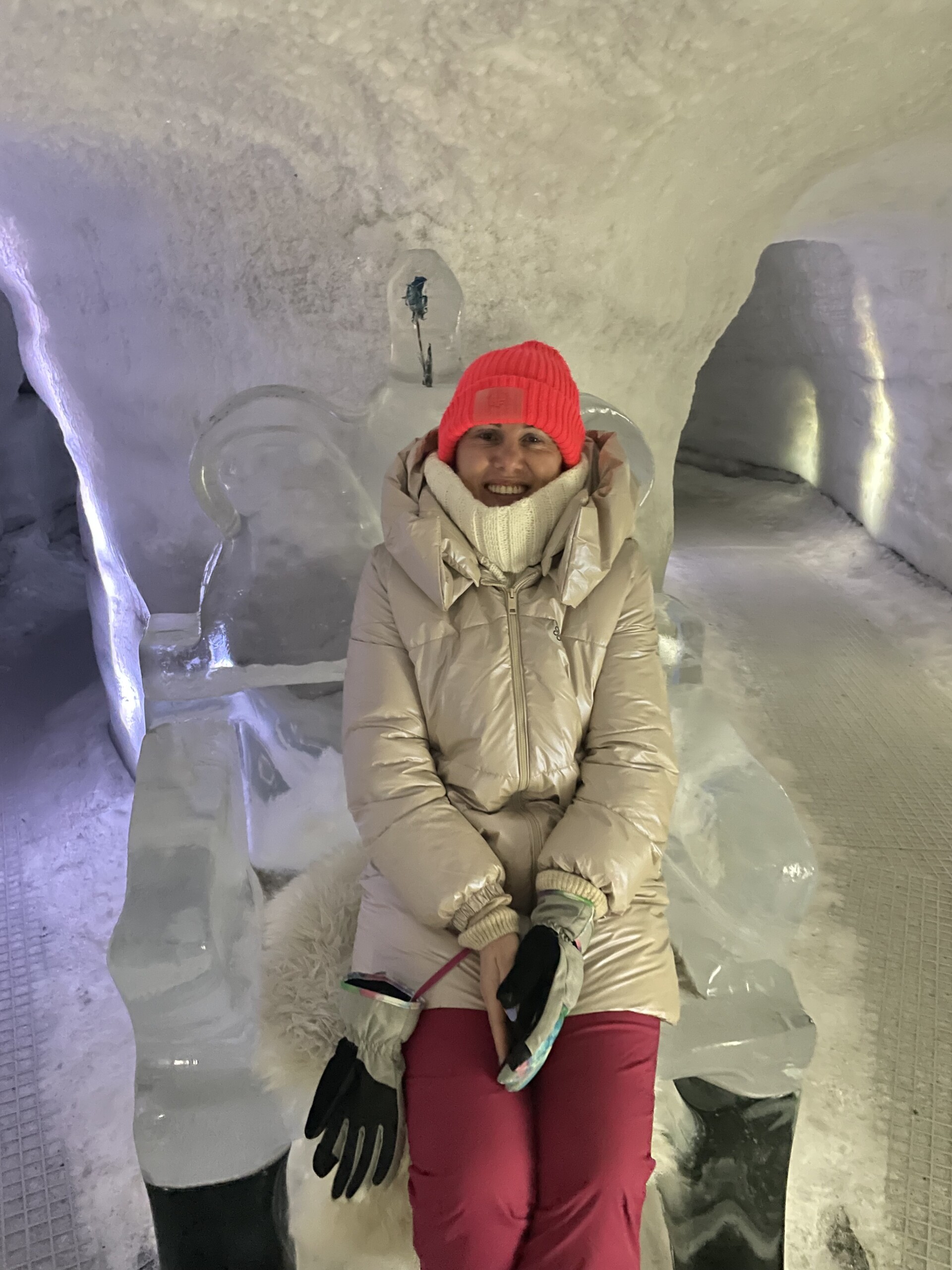
Ice. Slippery, joyful.
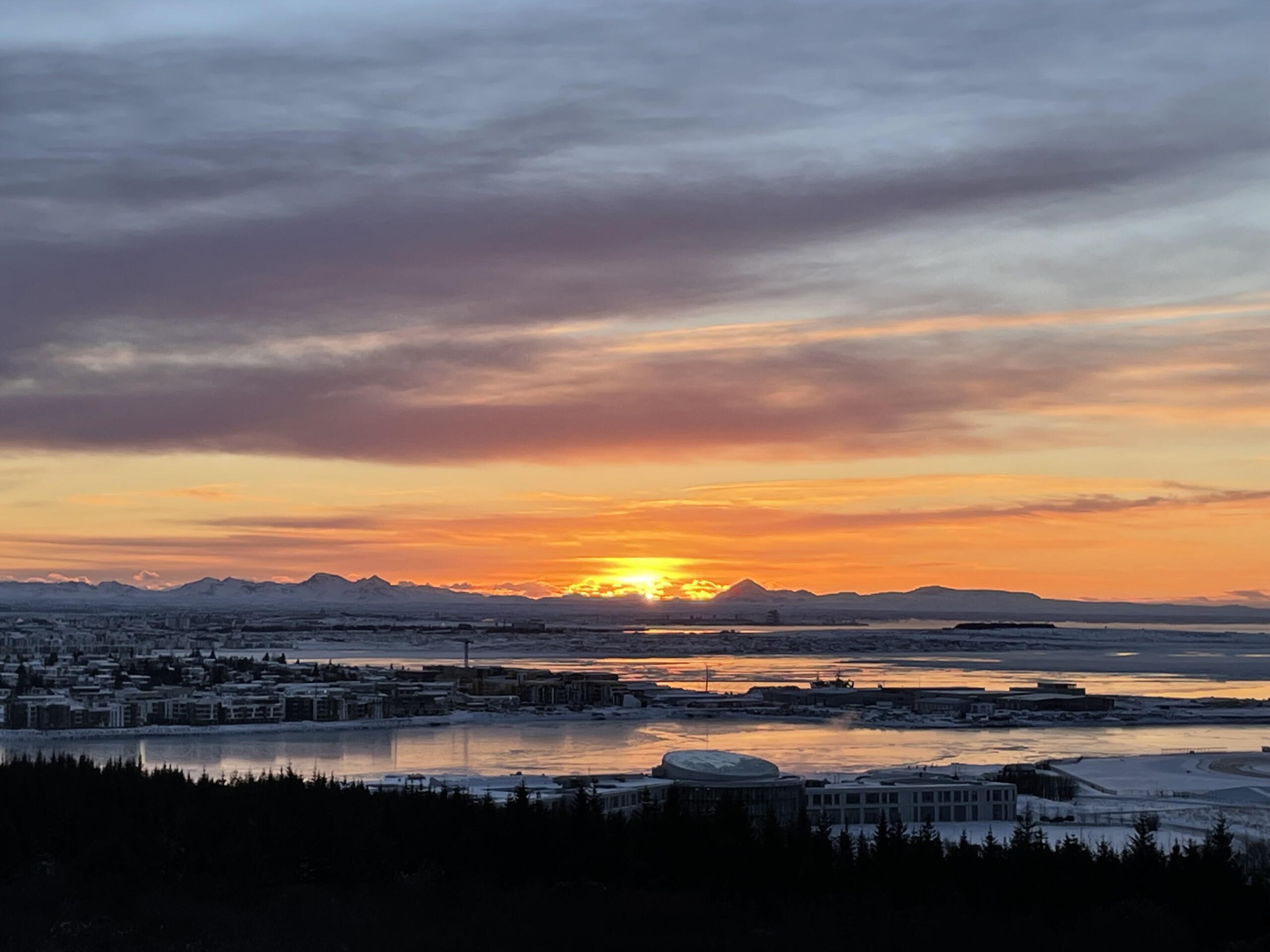
A short day that ends before you have properly woken up.
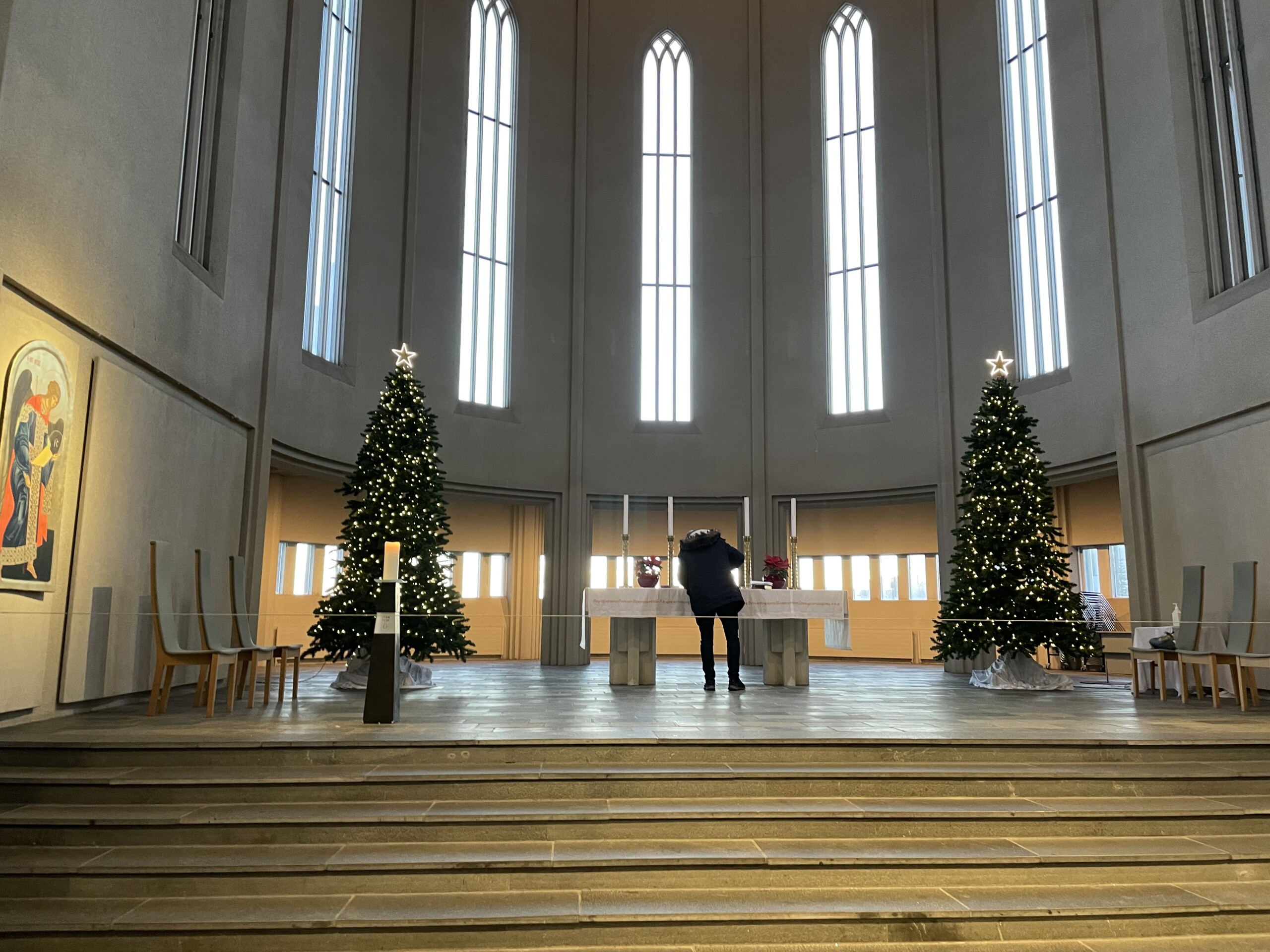
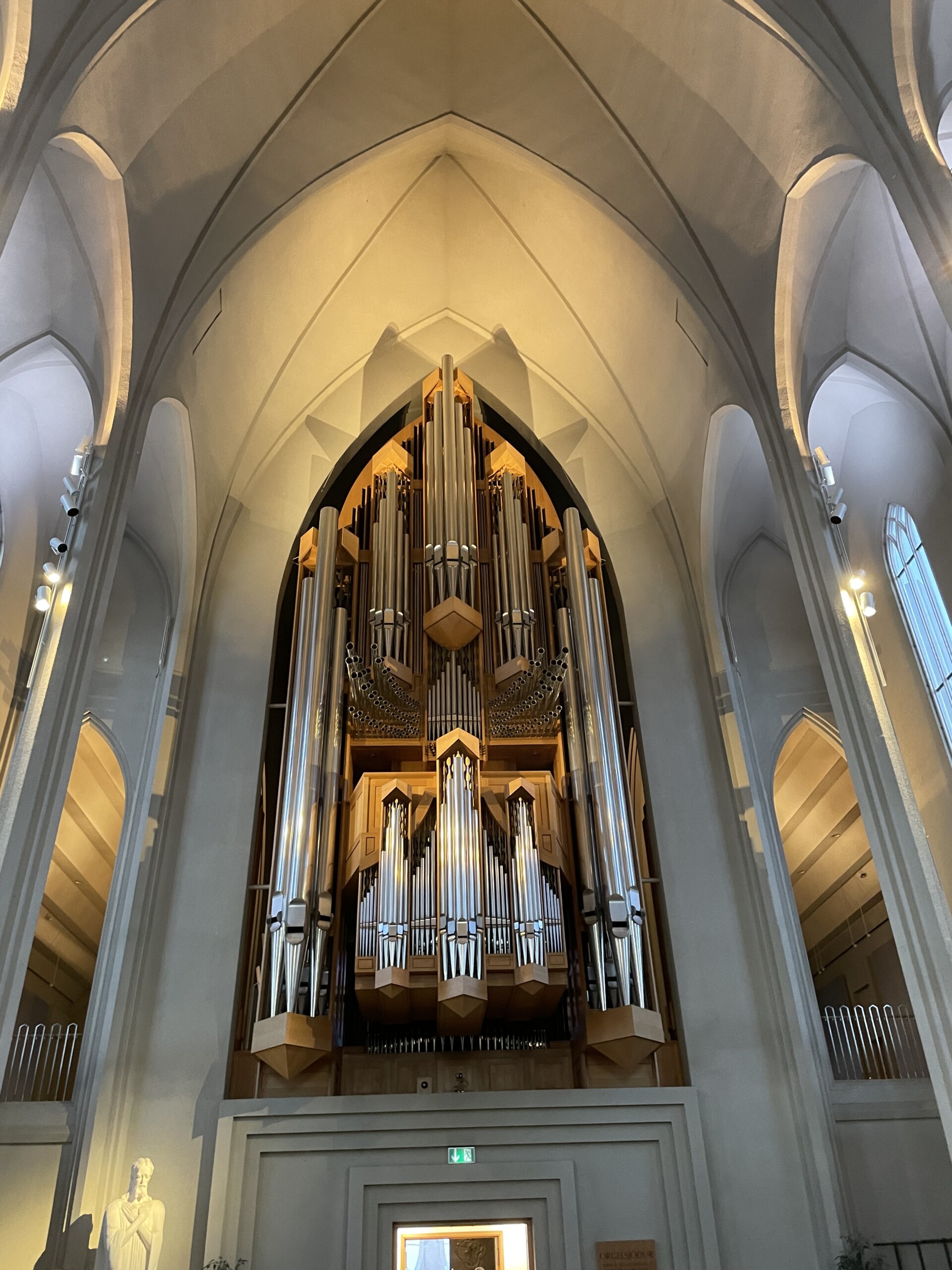
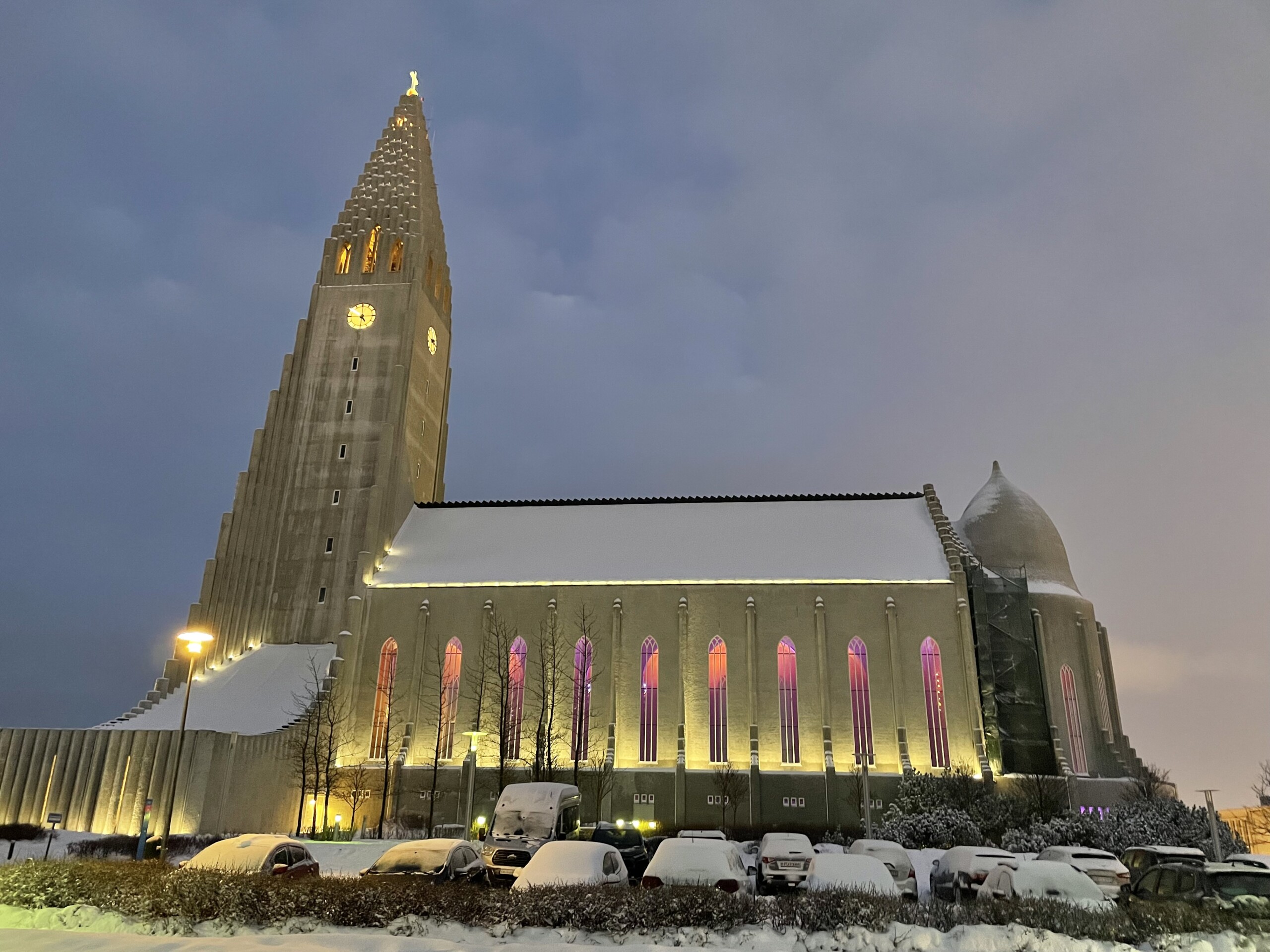
In the centre of Reykjavík rises the monumental Hallgrímskirkja – the largest Lutheran church in the country. Its austere form, reminiscent of basalt columns, fits into the Icelandic landscape.
There is also the Catholic Cathedral of Christ the King (Landakotskirkja) – the heart of the Catholic diocese of Reykjavík. A small community, made up largely of Poles. There are many of us there. Too many, which says something about how much a Pole can bear and endure.
The churches stand.
But does the city live by God?
It is hard to sense that in public life. Iceland is calm, orderly, hard-working. It is safe and there is no theft.
Faith is not put on display. It is rather private – or formal.
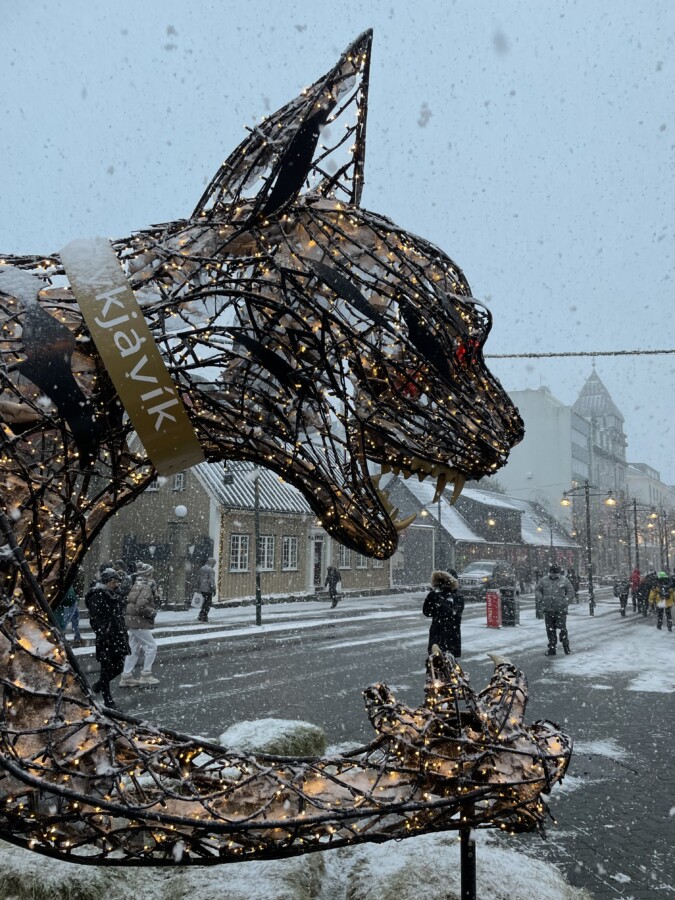
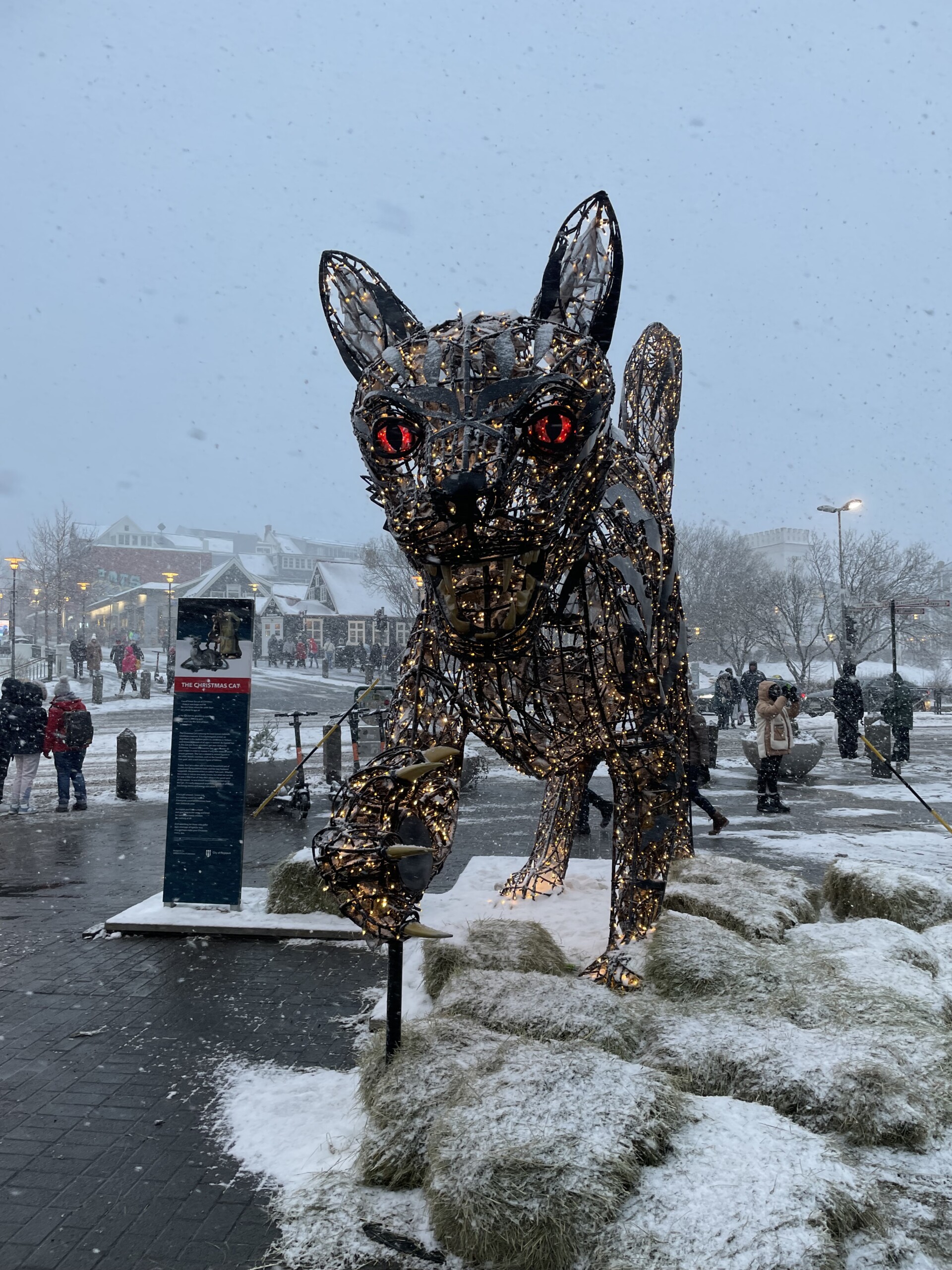
The Christmas Cat – folklore instead of the Gospel?
At a street corner stands a very large figure of the so-called Christmas Cat. To me it is terrifying. Ghastly red eyes, paws with claws spread wide, as though it wanted to devour someone. Jólakötturinn, the Christmas Cat, a legend. According to folklore it eats those who did not receive new clothes before Christmas. It is meant to frighten children.
The story once had a social purpose – it motivated people to work at processing wool before winter. Today it is part of the culture, a symbol of Christmas in Reykjavík.
A superstition, a legend, a tall tale – but one that is kept alive. Someone will say it is a trifle, that it is only a bit of fun. No, the evil one never plays. You have to pay attention to who rules in a city, in a country, and to whom that country has been given. It is also hard to grow spiritually when a message of fear and dread is imposed from above.
„There is no fear in love, but perfect love casts out fear.” (1 Jn 4:18)
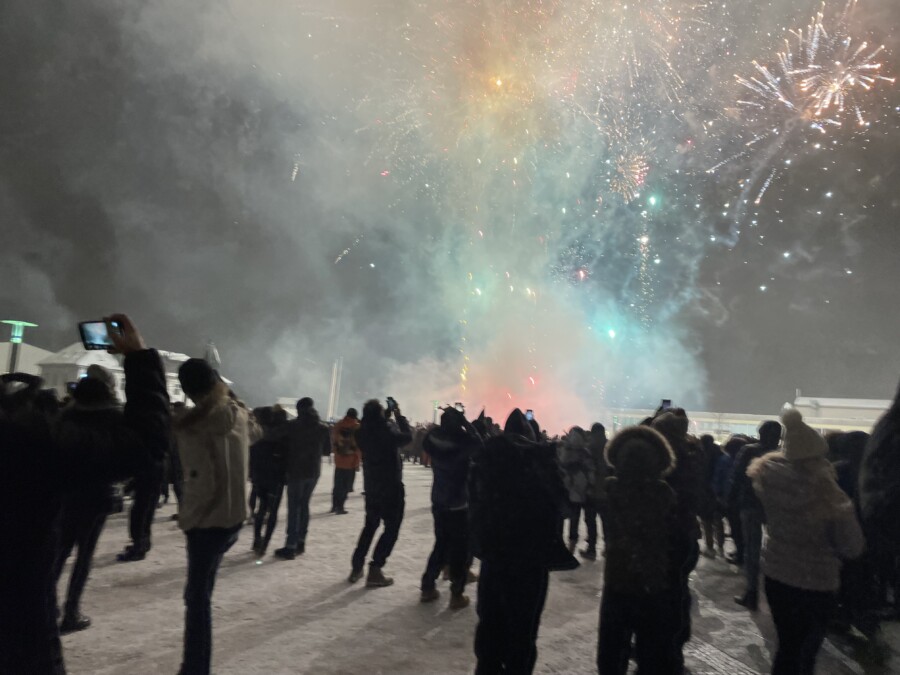
New Year’s Eve and light in the darkness
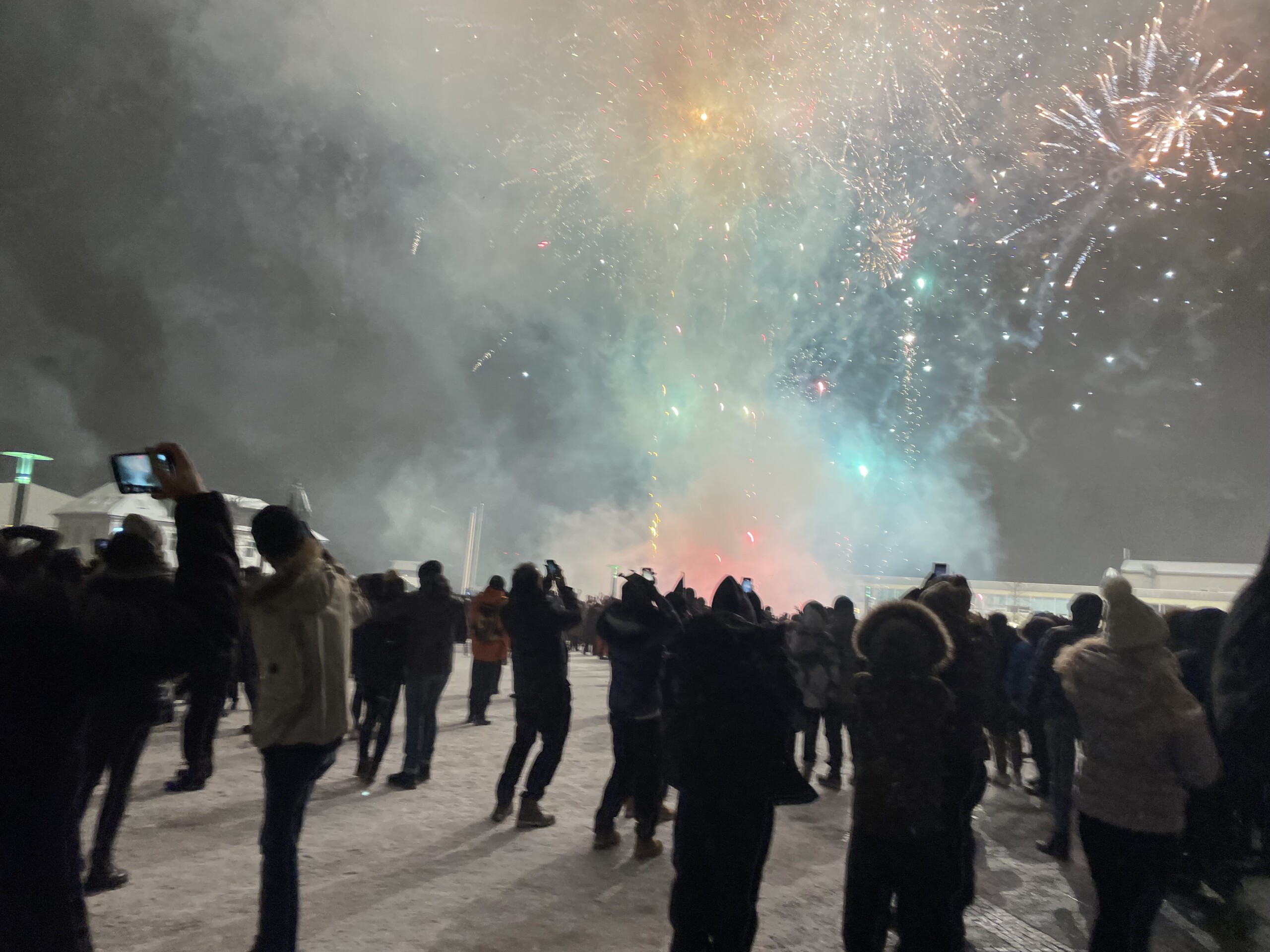
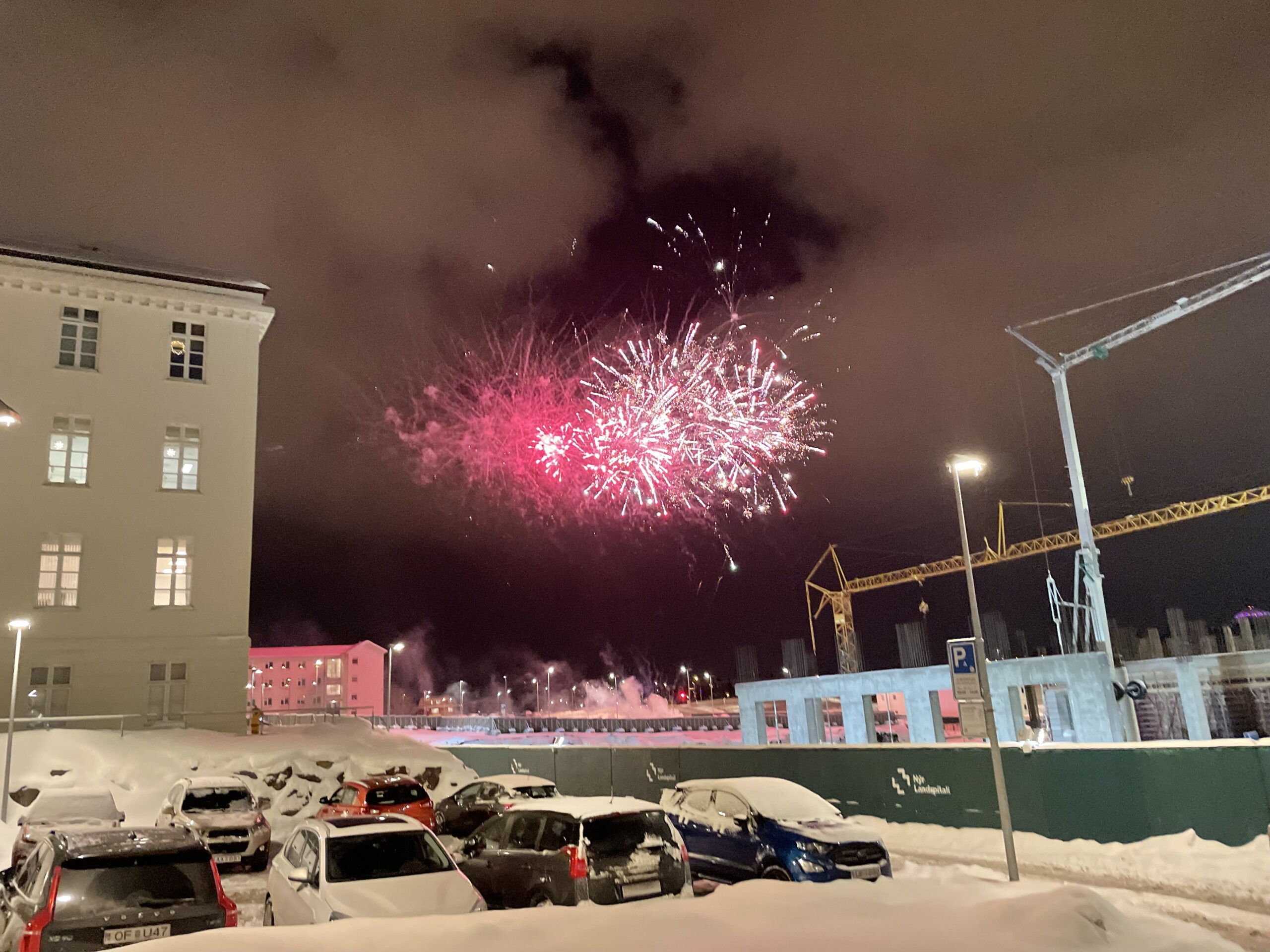
New Year in Reykjavík is an explosion of private fireworks. The whole city flashes and thunders.
Light.
Noise.
Joy.
Another secular tradition.
And yet in that winter scenery we felt something more.
Longing.
Longing for Poland
Because although Iceland is beautiful, orderly and safe, you feel, in a way that cannot quite be put into words, the immense longing of our compatriots. Another New Year, one year closer to going home; just this year, if only this year.
It has to be said: in Iceland it pays to work. As one young Polish woman told us – five years, and she and her husband will have earned enough for a flat in Poland, with no mortgage. Five years: only, or a whole. Another driver – a lucky one – said that this very year he was heading back to Poland to start his own business, a shooting range. Enough work, he said.
And if the centre of your attention is earning and saving, will there be room and time for God? Especially when Masses are held only selectively on Sunday, and not, as in Poland, every hour in a different parish.
All of these situations are hard. We may not talk about it, but you can hear that countdown in the air.
The joy of spring, of the long summer day, of the heat, the sun, and finally our beautiful colourful autumns and our Polish winters, warm by Icelandic standards. That cannot be bought for any money. That is love 🙂
Practical tips – Iceland in winter (Reykjavík)
-
Book attractions in advance, but reckon with the possibility that they may be cancelled. In Iceland the weather decides everything – excursions, the northern lights, routes outside the city may be cancelled even on the day of departure. That is normal.
-
Leave some flexibility in your plan. Do not schedule every day to the hour. Iceland teaches humility before nature.
-
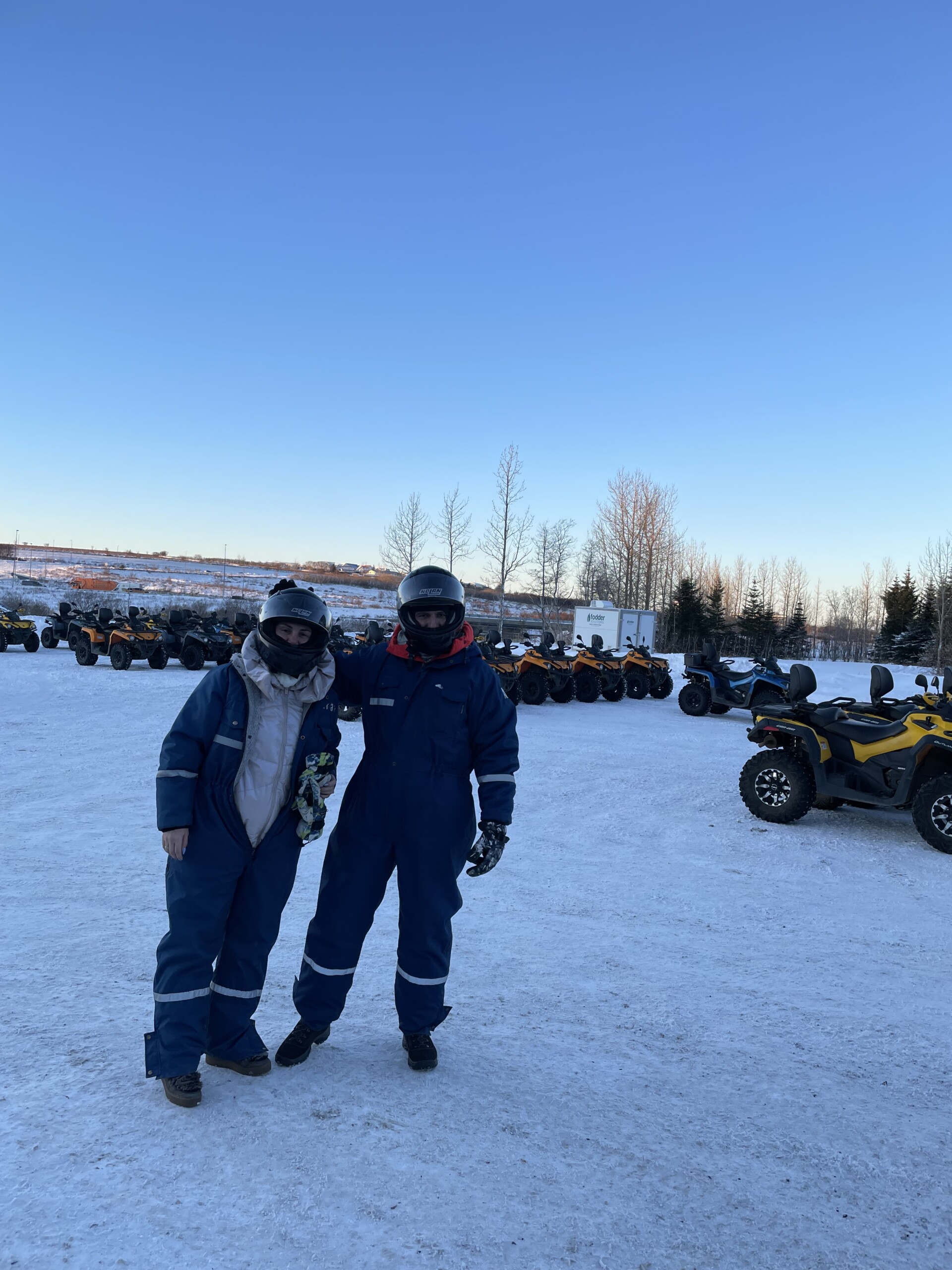
Dress as you would for skiing. A technical winter jacket, ski or insulated trousers, thermal underwear, a hat, gloves and very warm waterproof boots are essential. The wind makes the cold feel far sharper.
-
Layers are the key. Better three thin layers than one thick one.
-
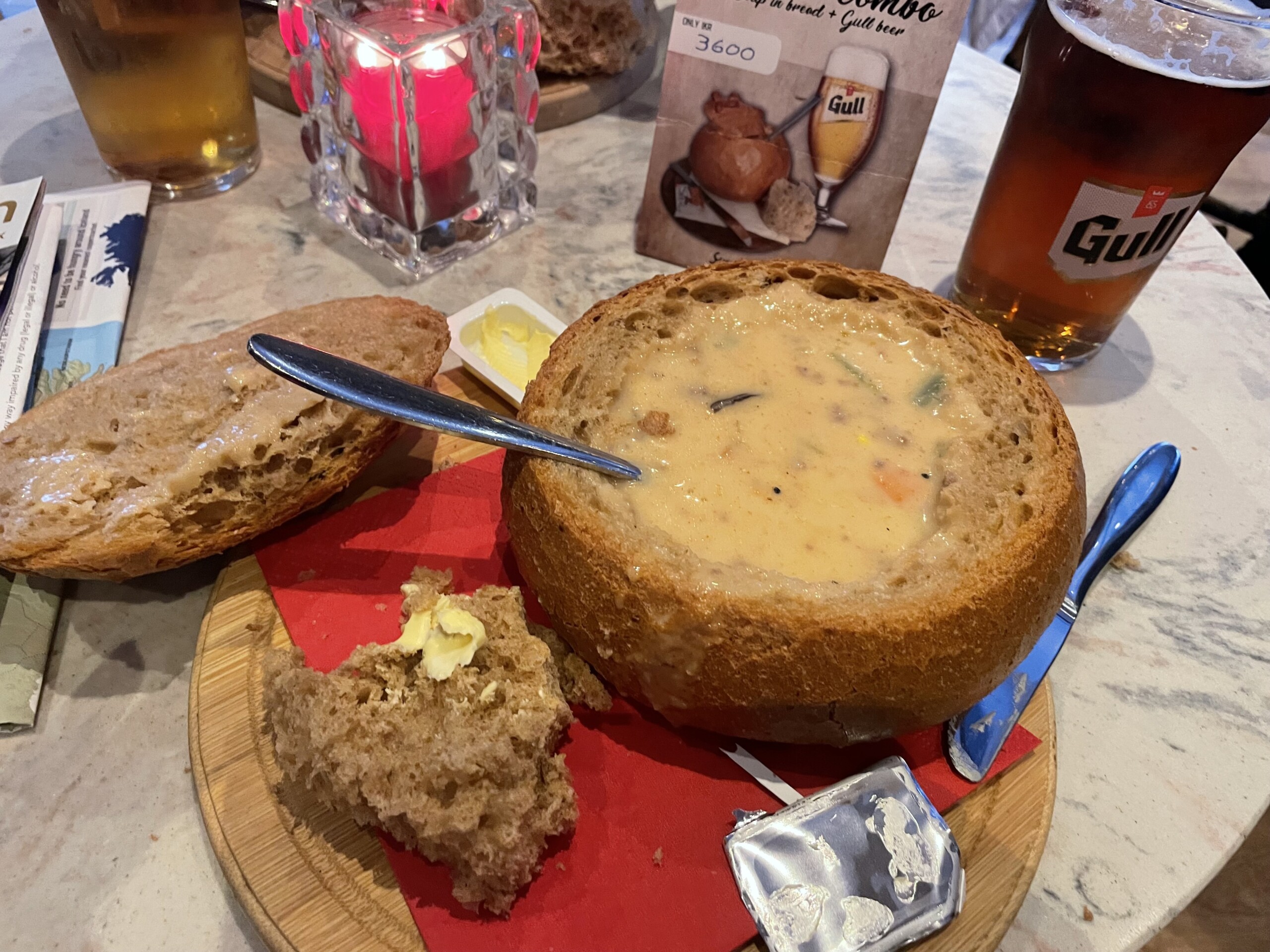
It is expensive. Iceland is one of the most expensive countries in Europe – restaurant food, attractions and transport cost considerably more than in Poland. Many people fall back on shopping in supermarkets.
-
The winter day is short. At the turn of December and January there are only a few hours of daylight. Plan your sightseeing for the daytime and keep the evenings for quieter activities.
-
You do not need cash. Iceland is almost entirely cashless – a payment card is enough everywhere.
-
Check your travel insurance. The weather conditions are demanding and medical costs are high.
- Do not worry about the language. You will always meet a Pole. Iceland has a very large Polish community – in shops, hotels, at the airport, in restaurants and even on organised trips you will hear Polish without any difficulty. In many places information is available in Polish.
What did Iceland show us about faith?
Iceland was not, for us, a judgement on other people.
It was a question.
Can you live well, stably and safely – and at the same time without being deeply rooted in God?
You can.
But if something is shaken – health, work, relationships – do we have a Foundation?
„Unless the Lord builds the house, those who build it labour in vain.” (Ps 127:1)
Reykjavík – a place that leaves you with a question
Iceland is beautiful.
Austere.
Real.
But we came back from there with greater gratitude for Poland.
For our open churches.
For the Eucharist.
For the fact that faith is tangible where we live.
And with a question: am I able to appreciate that gift?
Þingvellir (Thingvellir) – National Park and the rift between continents
Gullfoss waterfall – Iceland
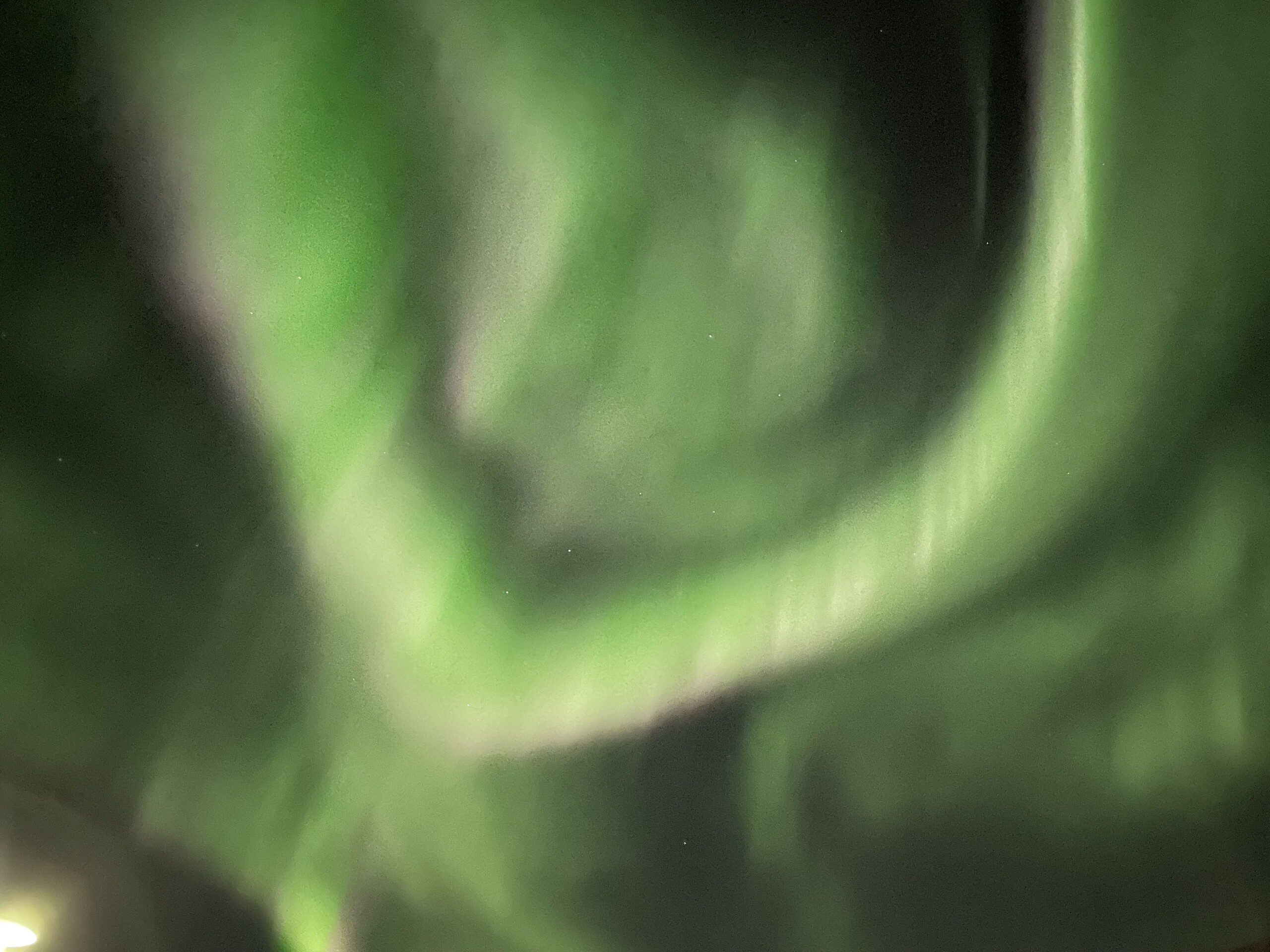
The northern lights (Aurora Borealis) – Iceland in winter
Photos from Iceland
 Reykjavik
 Reykjavik
 Reykjavik
 Reykjavik
 Reykjavik polska zupa
 Reykjavik
 Reykjavik
 Reykjavik
 Reykjavik
 Reykjavik
 Reykjavik
 Reykjavik
 Reykjavik
 Reykjavik
 Reykjavik
 Reykjavik
 Reykjavik
 Reykjavik
 Reykjavik
 Reykjavik
 Reykjavik